
Dayana Romero
Qualified Mediator
- Registered Psychotherapist
- Qualified Mediator · ADRIO / ADRIC
- 17+ years across conflict resolution and mediation
- Sessions in English and Spanish
 Hamilton · Ancaster · Virtual Across Ontario
Move in with clarity, not assumptions.
In Ontario, living together doesn't automatically protect your house, your savings, or your down payment. A Cohabitation Agreement is how Ontario couples decide those rules themselves, before they get tested.
"We thought we knew what common-law meant in Ontario. We did not." This is the most common thing couples tell us.
Tell us a little about your situation. We'll reply within 24 hours to schedule a free 30-minute call.
While most practices offer one or the other, we ensure each conversation is handled with care and every agreement is shaped with a clear understanding of its intended outcome.
Qualified Mediator
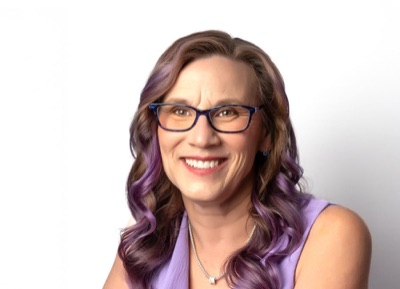
Qualified Mediator

Qualified Mediator
Most people who reach out are quietly carrying one or more of these.
Moving in together soon and don't want it to get complicated later.
Buying a home together with unequal down payments.
Blending finances or supporting each other's businesses.
Each have kids from prior relationships, want clear boundaries.
Heard that common-law in Ontario does not work the way most people assume.
Want a written agreement so you both know where you stand if anything changes.
Worried it'll signal a lack of trust. It signals the opposite, that you're both prepared to be honest about what each of you is bringing.
The first call is free, private, and 30 minutes. No commitment. We will tell you honestly whether mediation fits your situation.
Private and virtual. We listen, you ask questions, and we tell you honestly whether mediation is the right path for your situation. No obligation.
We meet separately with each partner so we understand the full picture before anyone sits at the same table. This is where most cases save weeks.
Typically two to three sessions. Each side has space to be heard. The final agreement is drafted and reviewed with one of our Qualified Mediators.

We are a working mediation practice with offices in Hamilton and Ancaster. Most consultations happen virtually for convenience, but you can sit down with us in person any time during the file. The reception above is where most files begin.
Most Ontario couples have two ways to put this agreement in place: each side hires their own lawyer and the firms negotiate, or you sit with a neutral Qualified Mediator together. Here is how the two approaches typically compare.
| Lawyer-Only (typical) | Step Mediated (typical) | |
|---|---|---|
| Timeline | 8 to 16 weeks (firms negotiating) | 4 to 8 weeks |
| Cost | Two separate law firms negotiating | One flat fee,* quoted clearly after your free consultation. |
| Privacy | Confidential between firms | Fully confidential |
| Who decides | Lawyers negotiate the terms | You and your partner |
| Tone | Two firms drafting against each other | Shared mediator, both partners on the same team |
Outcomes and timelines vary by case. Mediation is not legal advice. Independent Legal Advice (ILA) from your own lawyer is required for each party before signing in Ontario. Mediation sessions are confidential except for statutory exceptions.
Get a free 30-minute consultation. Walk away with a clear, honest read on whether mediation fits your situation, with no obligation.
We do not take every file. Mediation is not appropriate when there is active abuse, untreated addiction, an active restraining order, or when either party is not safe in the same conversation. If any of that fits your situation, tell us on the first call. We will say so directly and point you to the right resource. Honesty on our end before money changes hands.
The mediation produces a Cohabitation Agreement drafted by one of our Qualified Mediators. Each party reviews it with their own Independent Legal Advice (ILA) before signing. Cohabitation Agreements in Ontario are domestic contracts under section 53 of the Family Law Act; once properly executed it is enforceable as a domestic contract.
This is one of the most common questions and one we handle for you. One of our Qualified Mediators can reach out to your partner directly with a private, neutral invitation with their permission. Many partners agree once they hear from a neutral mediator rather than from the other spouse. We cannot predict how your partner will respond, but the neutral approach changes the dynamic for many people. The first call is also free for both of you.
Mediation in Ontario is confidential. Sessions, notes, and discussions are not part of the public record and cannot be used as evidence in court. The only statutory exceptions are situations involving child safety, elder abuse, or imminent threats of harm. We explain this in plain language at your first call.
It is highly recommended that each party have their own Independent Legal Advice (ILA) from their own lawyer before signing. That is a separate step from mediation. Our Qualified Mediators draft and review the agreement internally for completeness and consistency, which reduces the back-and-forth at the ILA stage.
The first 30-minute consultation is free. After that, mediation is quoted on a flat fee rate. Most Cohabitation Agreement files run two to three sessions, though outcomes and timelines vary. Mediation fees are separate from Independent Legal Advice, which each party arranges through their own lawyer.
In Ontario, you're considered common-law for the Family Law Act after living together continuously in a conjugal relationship for three years, or for any length of time if you have a child together. Property division rights are different for common-law couples than for married couples. A Cohabitation Agreement is how you decide those rules yourselves.
No, and this is the most common question. Married couples get default rules under Ontario's Family Law Act when things change. Common-law couples do not get the same automatic property-division rights, which can leave either of you exposed, especially around the matrimonial home and the down payment. A Cohabitation Agreement closes that gap.
By default in Ontario, common-law partners do not have an automatic right to equal division of the matrimonial home, unlike married couples. Your Cohabitation Agreement decides this directly: who paid what, what happens to that contribution on a split, who is responsible for the mortgage, and how the appreciation is handled.
This is the most common emotional concern, and our Qualified Mediators handle it carefully. Most couples we work with describe the conversation as one of the most honest financial discussions they have had. The format (a neutral third party guiding the conversation) is what makes it feel different from one partner asking the other to sign.
Yes. We draft Cohabitation Agreements with that pathway in mind. If you marry, your existing Cohabitation Agreement can be ratified or updated into a Prenuptial Agreement quickly, because most of the heavy thinking is already done.
Most Cohabitation Agreement files complete in 4 to 8 weeks from intake to signed agreement, including Independent Legal Advice. Files with multiple properties or unequal contributions can take longer, though every file is different.
On the phone or virtual. We'll listen, ask a few questions, and tell you honestly whether mediation is the right next step. No obligation.